Fostering empathy, compassion, and connection to build common ground and peaceful solutions.
Since its founding in 2016, the Centre For Peace Building Reconciliation and Economic Development (CPRD) has served as a vital response to the overlapping crises of man-made disasters, severe drought, and disease in Nigeria. What began as an urgent mission to save lives during a period of extreme vulnerability has evolved into a long-term commitment to stability. Even as the effects of past catastrophes linger decades later, CPRD remains dedicated to addressing the new and complex challenges that emerge within the region every day.
As we reach a significant seven-year milestone, we are currently transitioning into a new chapter with the development of our five-year Strategic Plan. This process has allowed our leadership and staff to reflect on the extensive progress made since our inception while identifying the most effective pathways for future growth. By evaluating our past accomplishments, we are refining our approach to ensure our interventions continue to be both impactful and sustainable for the communities we serve.
Our progress is a shared success, made possible by the unwavering support of our board, dedicated staff, community members, partners, and funders. As we look toward the implementation of our 2024 Strategic Plan, we invite our stakeholders to continue this journey with us. Together, we are confident in our ability to fulfill our mission, foster lasting peace, and remain an organization that brings pride to everyone involved in uplifting the vulnerable.
To provide people affected by human and natural crises with emergency relief, educational programs, clean water, and food security while promoting peace-building and effective governance.
Shifting human understanding toward empathy and fostering interdependence among citizens.
People with Clean Water Access
Orphaned Children Sponsored
Schools Established across NE
Fully-equipped Boreholes
Founded in 2016, the Centre For Peace Building Reconciliation and Economic Development (CPRD) is a Nigerian non-governmental organization dedicated to transforming societies torn apart by violence and mistrust. While our original mandate focused on peacebuilding, human rights, and democratization, we expanded our mission in 2018 to address the urgent needs of those affected by human and natural crises. Today, we work to stop violent conflicts by connecting grassroots perspectives with political processes, fostering dialogue, and building platforms for lasting equality and inclusion.
Our comprehensive programs provide life-saving humanitarian relief alongside long-term development initiatives. We specialize in several critical sectors, including healthcare, education, clean water and sanitation (WASH), food security, and economic livelihood programs. By integrating emergency aid with sustainable socio-economic strategies, we ensure that communities have the resources they need to move from crisis to stability, always guided by our core values of respect, accountability, and innovation.
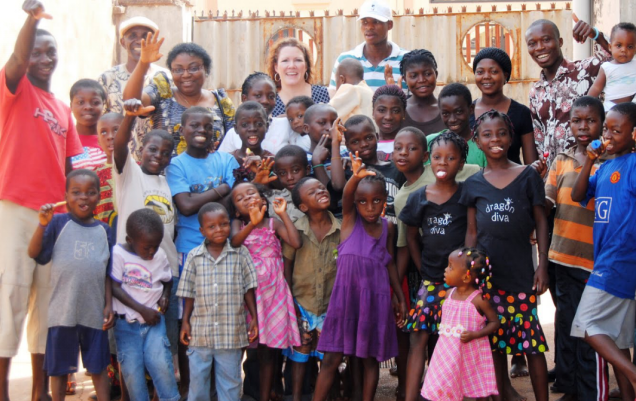
CPRD is deeply committed to serving the most vulnerable and marginalized populations, specifically children, women, persons with disabilities, and internally displaced persons (IDPs). Our on-ground strategies are uniquely built upon the local cultures, wisdom, and aspirations of the communities we serve. We believe that as local actors, we are the critical agents necessary for advancing community-based development, and we strive to maximize the impact of every resource to create a more just and peaceful future for all.

CPRD is developing a 10-year strategic plan to define its key objectives and guide its work. The plan will communicate the organization’s priorities to partners, investors, beneficiaries, and stakeholders, strengthening collaboration and maximizing impact. It will also establish a clear framework for accountability, outline how goals will be achieved, and ensure that program outcomes are effectively measured, evaluated, and sustained over time.
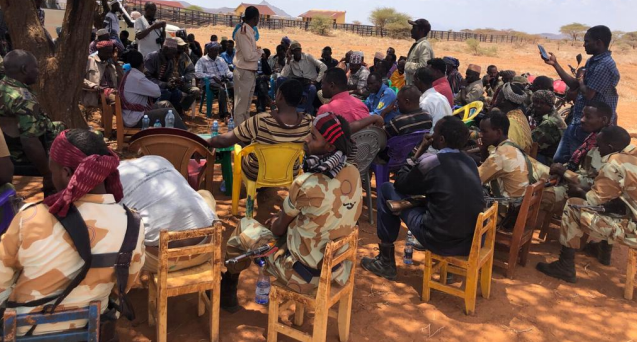
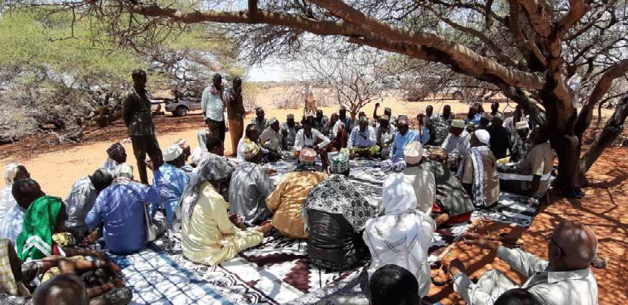
Strengthen early warning, mediation, dialogue, and reconciliation initiatives that prevent violence and rebuild trust.
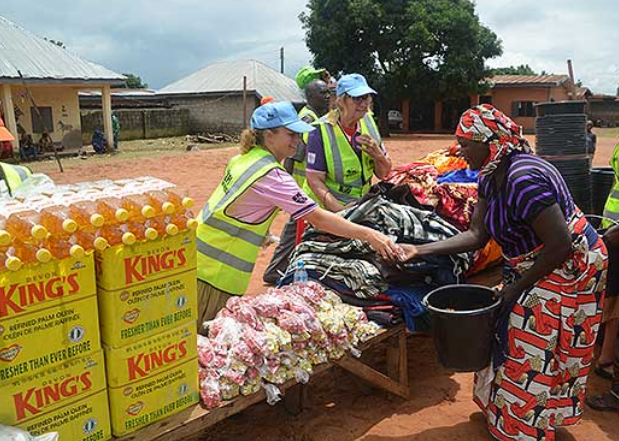
Deliver timely, dignified emergency support and strengthen readiness through coordination, logistics, and rapid assessments.
Promote accountable leadership, inclusion, and community trust in institutions to improve stability and reduce tensions.
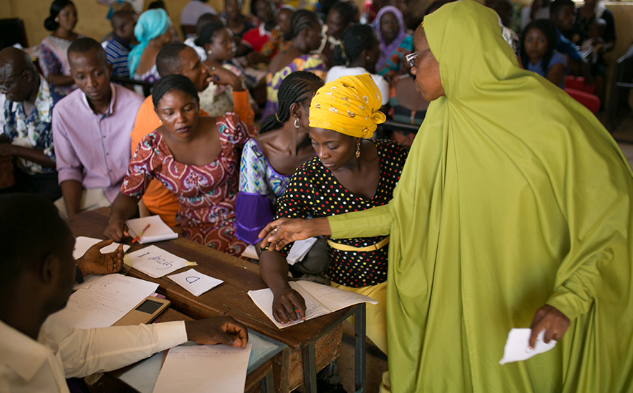
Expand access to safe, inclusive learning through infrastructure support, learning materials, and skills development.
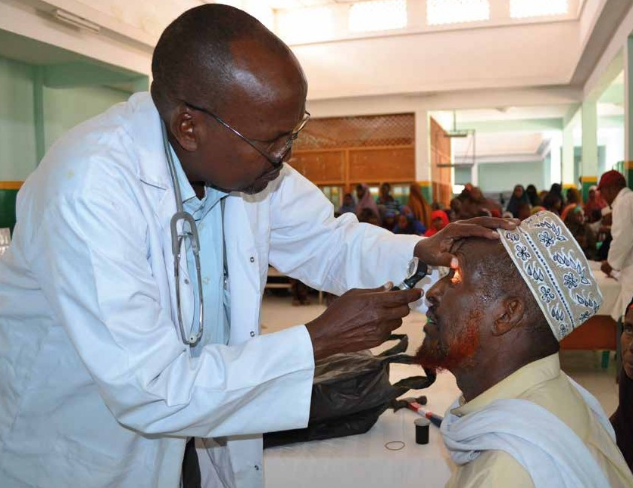
Support community health and access to essential services through outreach, prevention, and stronger local systems.
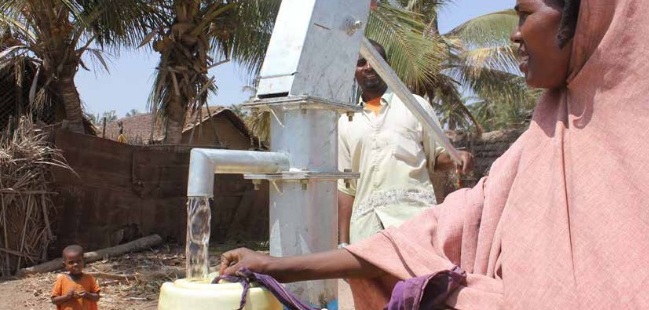
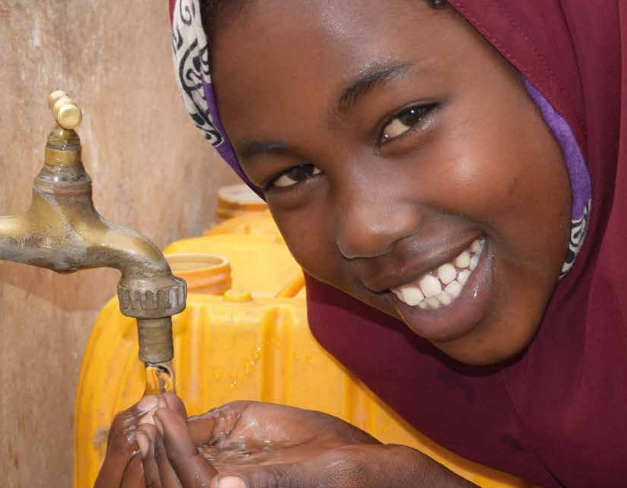
Increase sustainable access to safe water, sanitation facilities, and hygiene promotion to reduce disease and improve dignity.
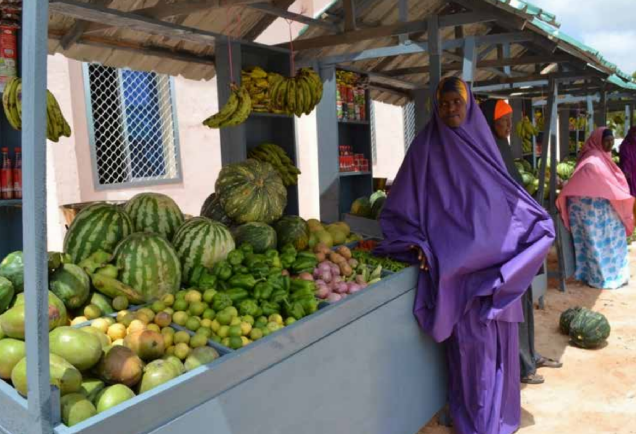
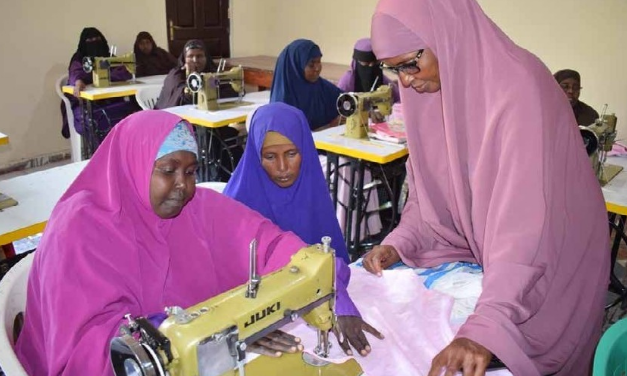
Strengthen livelihoods through vocational training, entrepreneurship support, and market-linked opportunities for families.
Protect vulnerable groups through case management, referral pathways, safeguarding, and inclusive social services.
Advance dignity, safety, and opportunity for women and girls through empowerment, protection, and leadership initiatives.
Bridge community voices and political processes to improve inclusion, accountability, and long-term peace outcomes.